
Turning Cattle Data into Smarter Trading Decisions at St George with Mitchell Koster
“As an Industry, we’re collecting all this data and not utilising it to its full potential, so through Black Box, as a central place to enter all our data, we can start to make good marketing decisions, good decisions about our breeding and make our cattle work a lot harder for us going forward. ”
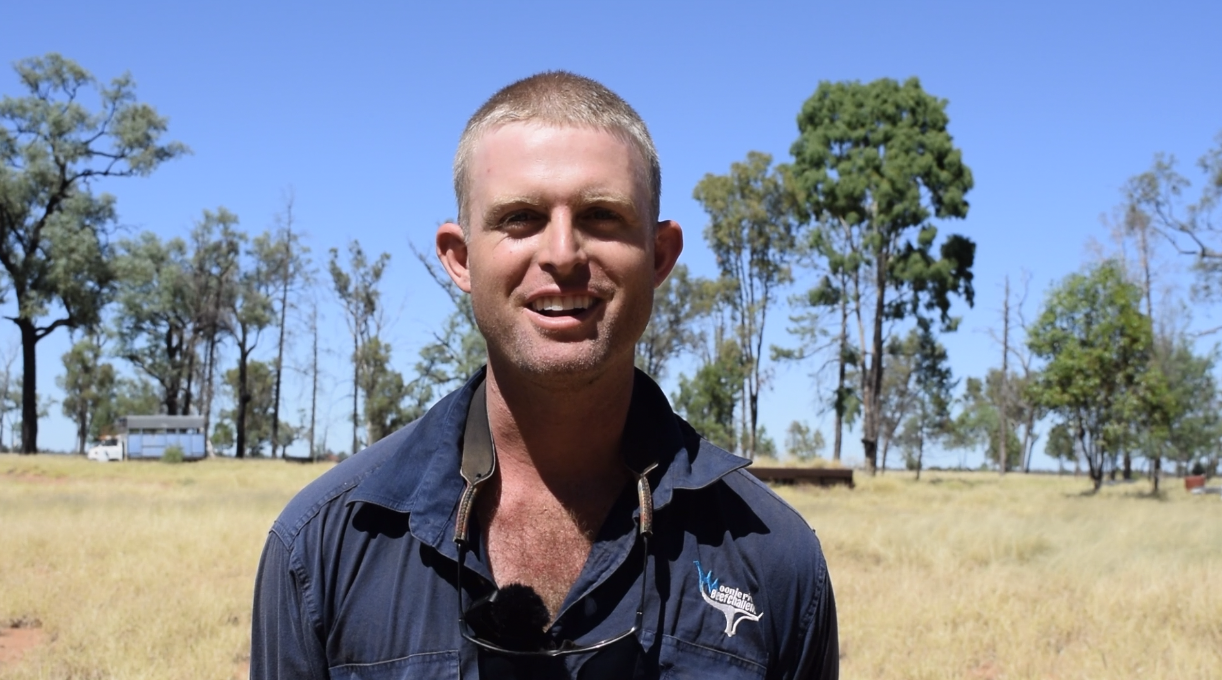
Mitchell Koster operates a beef trading and backgrounding business from ‘Aqualoo’ near St George, Queensland.
Together with his family, Mitchell manages between 2,000 to 3,000 trade cattle, as well as a small breeding herd across their two properties and various agistment blocks.
For Mitchell, the decision to adopt Black Box Co came down to efficiency and organisation.
“We came on board because we saw it as a way for us to collect all of our data and store it in one place,” he said.
The platform now plays a key role in managing their operation from collecting and analysing weight data crush-side, to tracking feedlot performance.
“We use Black Box to store our crush-side data, after we weigh cattle we download the data file into Black Box, then use Black Box to analyse what cattle we having coming through the system, and then market them into different feedlots,”
“Once they’ve gone to the feedlot, then we receive feedlot feedback, which then helps us with our bull selection going forward.”
For a trading-focused business, real-time insights are essential.
“Black Box has been great for our trading operation, firstly with the direct import from saleyard data coming in. When we induct them we then put our induction data crushside in,”
“From there we’re then able to see PICs of origin, where cattle are coming from, and then identify which cattle are doing better,” he said.
Mitchell said one of the biggest value-adds has come from the platform’s ability to analyse genetic performance in various Sires.
“From the bull side of things Black Box has been able to show us different breeds and different sires and how they’re performing. It’s been able to tell us which ones to weed out and which ones to continue using.”